
In the realm of aviation, few designs captivate the imagination and challenge conventional norms like the flying wing body configuration. This unique and revolutionary concept has left an indelible mark on the history of aerospace engineering. From the early experimental days of the German Horten Ho 229 to the stealthy prowess of the B-2 Spirit and the latest advancements in the B-21 Raider, let’s delve into the fascinating history of flying wing aircraft.
- Horten Ho 229 – The Pioneering German Innovation:
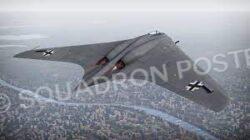
During World War II, German aircraft designers Walter and Reimar Horten took the flying wing concept to new heights with the development of the Horten Ho 229. This jet-powered, all-wing aircraft was designed to minimize drag, increase range, and enhance survivability by eliminating the traditional fuselage and tail. The Ho 229 featured a sleek profile and used radar-absorbent materials, making it ahead of its time in terms of stealth technology. Although the Ho 229 never saw active combat, its legacy significantly influenced post-war aircraft development.
- Northrop Flying Wing YB-35 and YB-49 – The American Pioneers:

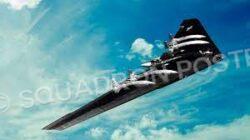
In the United States, aviation engineer Jack Northrop pursued the flying wing dream, culminating in the YB-35 and YB-49 prototypes. The YB-35 was a piston-engine-powered aircraft with an impressive wingspan, while the YB-49 was a jet-powered evolution with swept wings. Despite facing challenges in stability and control, these experimental aircraft demonstrated the potential of the flying wing design. The lessons learned from these prototypes paved the way for future developments.
- Northrop Grumman B-2 Spirit – A Stealthy Marvel:
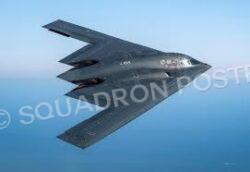
The B-2 Spirit, developed by Northrop Grumman in the 1980s, stands as one of the most iconic and sophisticated flying wing aircraft in history. Employing advanced materials, coatings, and composite structures, the B-2 showcased exceptional stealth capabilities, rendering it virtually invisible to enemy radar systems. Its ability to carry a substantial payload internally made it a formidable strategic bomber. The B-2 Spirit became a symbol of technological prowess and a crucial component of the U.S. military’s arsenal.
- Northrop Grumman B-21 Raider – The Next Generation:
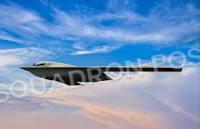
Building on the success of the B-2 Spirit, Northrop Grumman’s B-21 Raider represents the latest evolution in flying wing design. As a next-generation, long-range, stealth bomber, the B-21 Raider aims to further enhance survivability, range, and lethality. The aircraft’s improved avionics, communication systems, and integrated stealth features promise to make it even more effective in future conflicts. The B-21 Raider continues the legacy of flying wing aircraft, showcasing the continuous pursuit of innovation in aviation.
The history of flying wing aircraft is a testament to human ingenuity and the desire to push the boundaries of flight. From the daring experiments of the Horten brothers to the stealthy powerhouses of Northrop Grumman, each iteration has contributed to the advancement of aviation technology. The evolution from the Ho 229 to the B-21 Raider showcases the enduring appeal and potential of the flying wing body design. As we look to the future, it’s certain that this unconventional concept will continue to inspire and shape the next generation of aerial warfare.
Check out all our amazing B-2 “Spirit” Stealth Bomber artwork HERE